

Unprecedented Permafrost Thaw 
Concept 
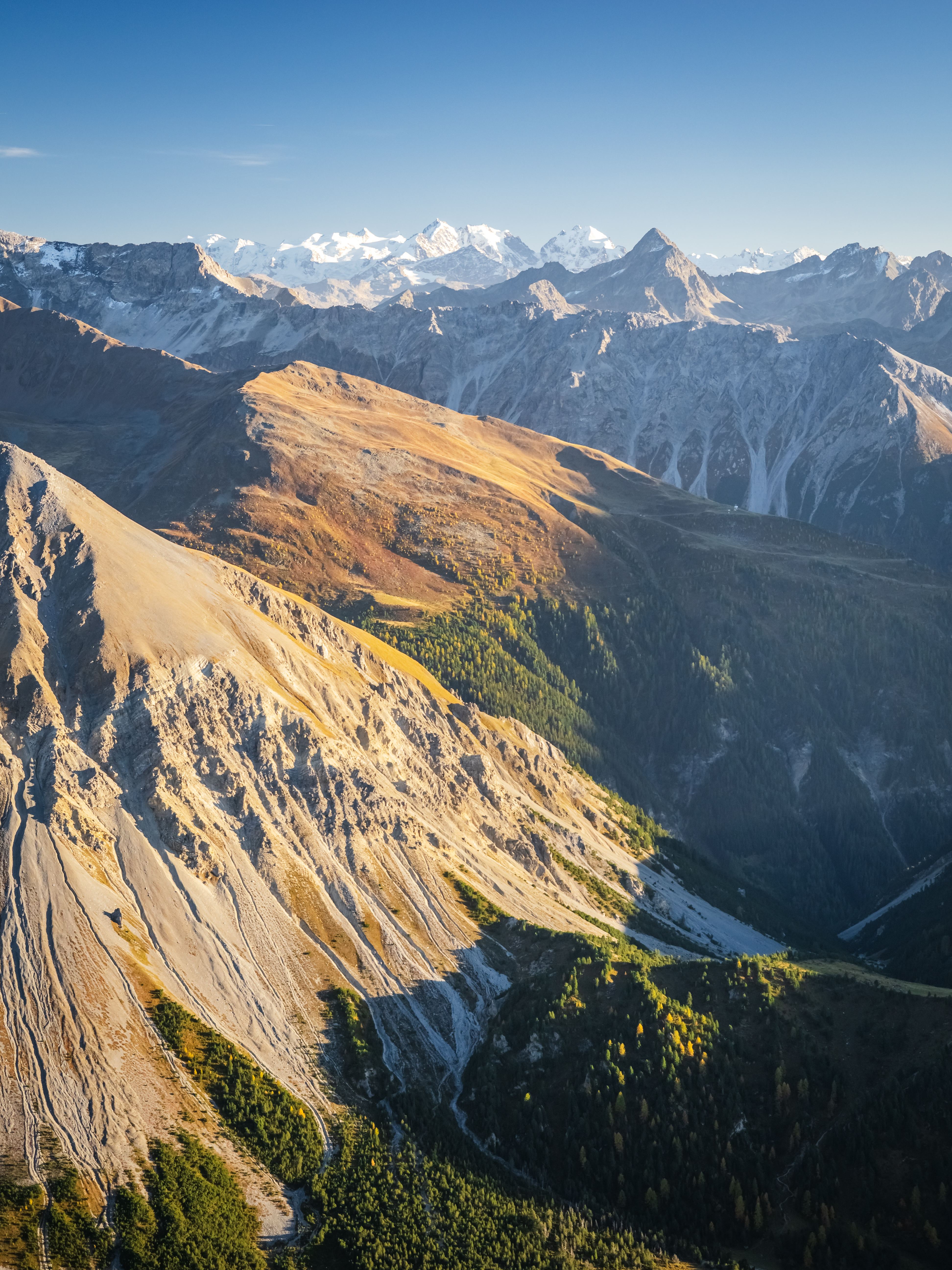
As global temperatures rise, permafrost is thawing, which destabilizes landscapes, disrupts ecosystems, and potentially releases carbon and pollutants – posing threats to infrastructure, public health, and global climate stability. The ExtremeThaw project enhances our understanding of this phenomenon in Switzerland’s alpine regions, helping to shape effective response strategies.
Project Description
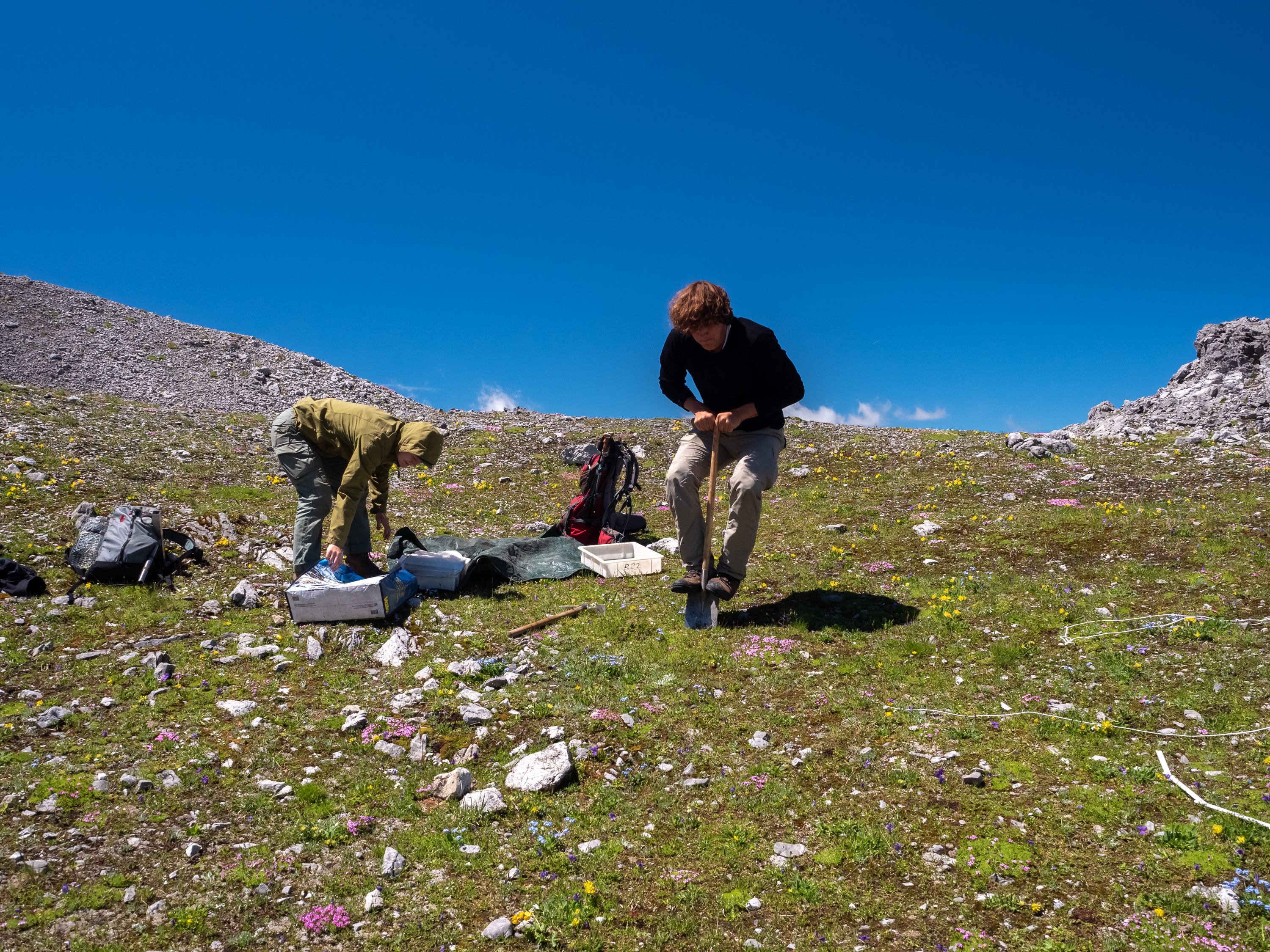
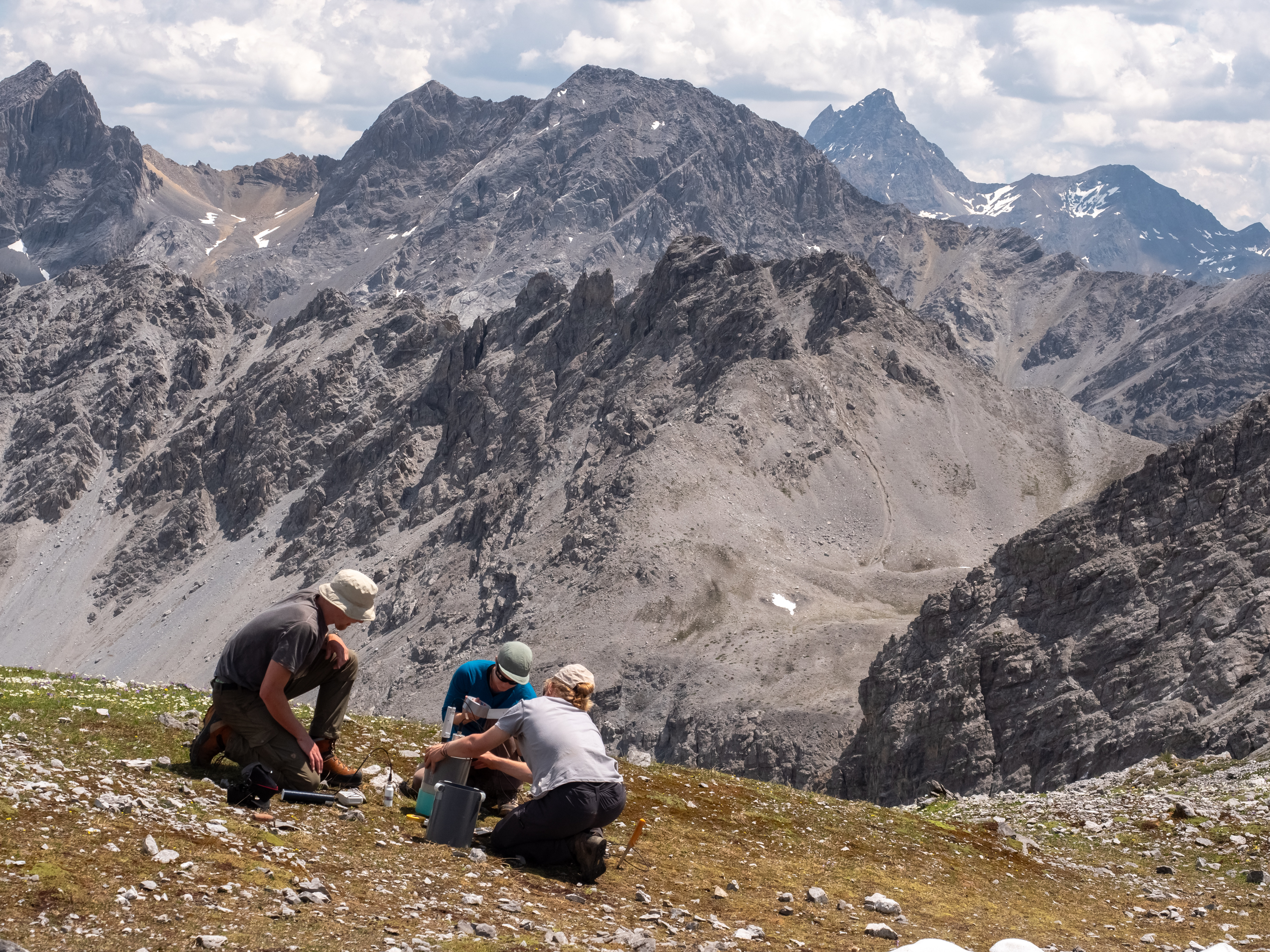
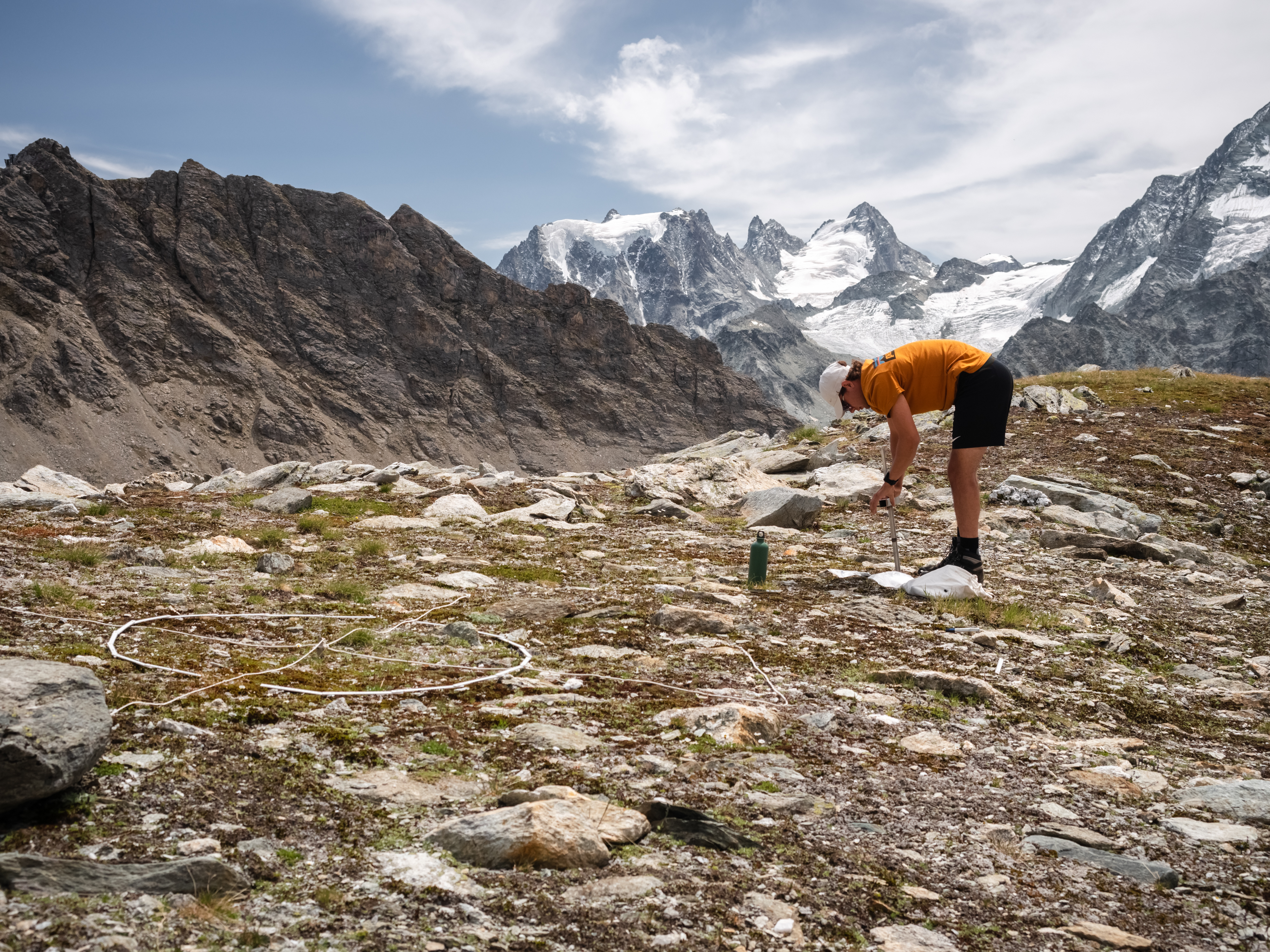
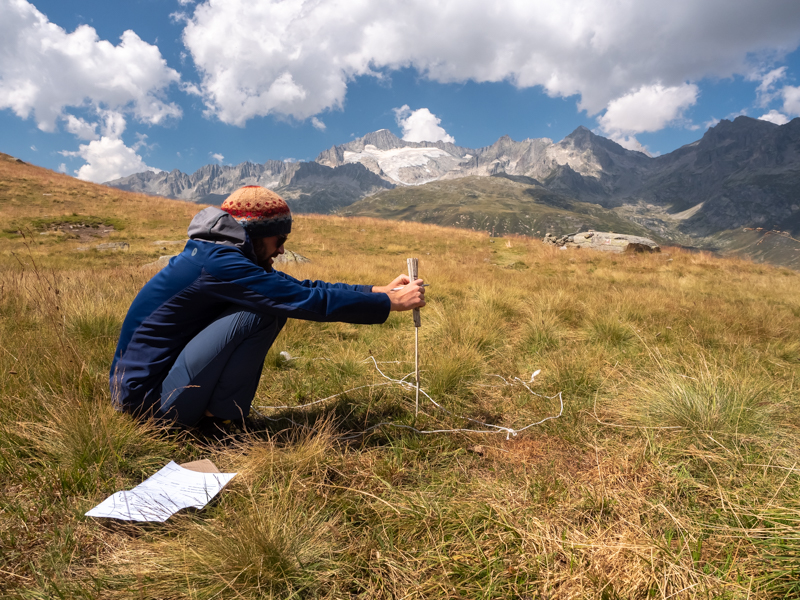
The ExtremeThaw project investigates how permafrost thaw and unprecedented climate warming is reshaping alpine ecosystems in Switzerland. By combining data from a nationwide snow–climate station network with targeted studies along elevation gradients, the project quantifies carbon stocks and examines how vegetation, soils, and their microbes respond as the ground warms and permafrost degrades.
Key Findings
- Climate change has advanced the development of alpine plants in early summer by 6 days in the past 25 years, a trend that farmers also see on their cow pastures.
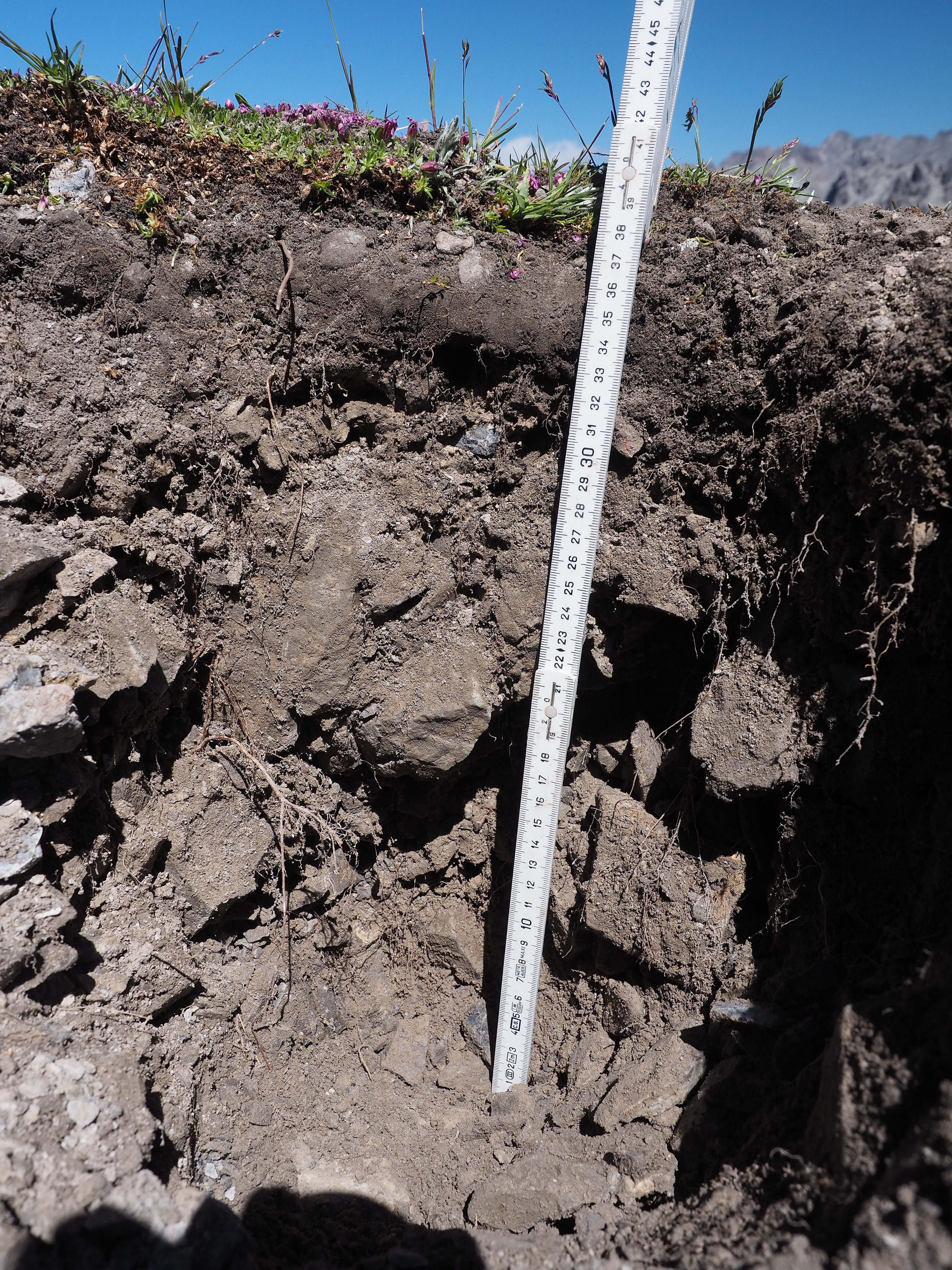
- Much carbon in the soil: Mountain soils in Switzerland above the treeline store large amounts of carbon (c. 47 Mt), which compares to the carbon stored in Swiss peatlands.
- High-elevation soils are sequestering carbon as plants migrate upwards but expected rates are low.
Main products and outcomes 
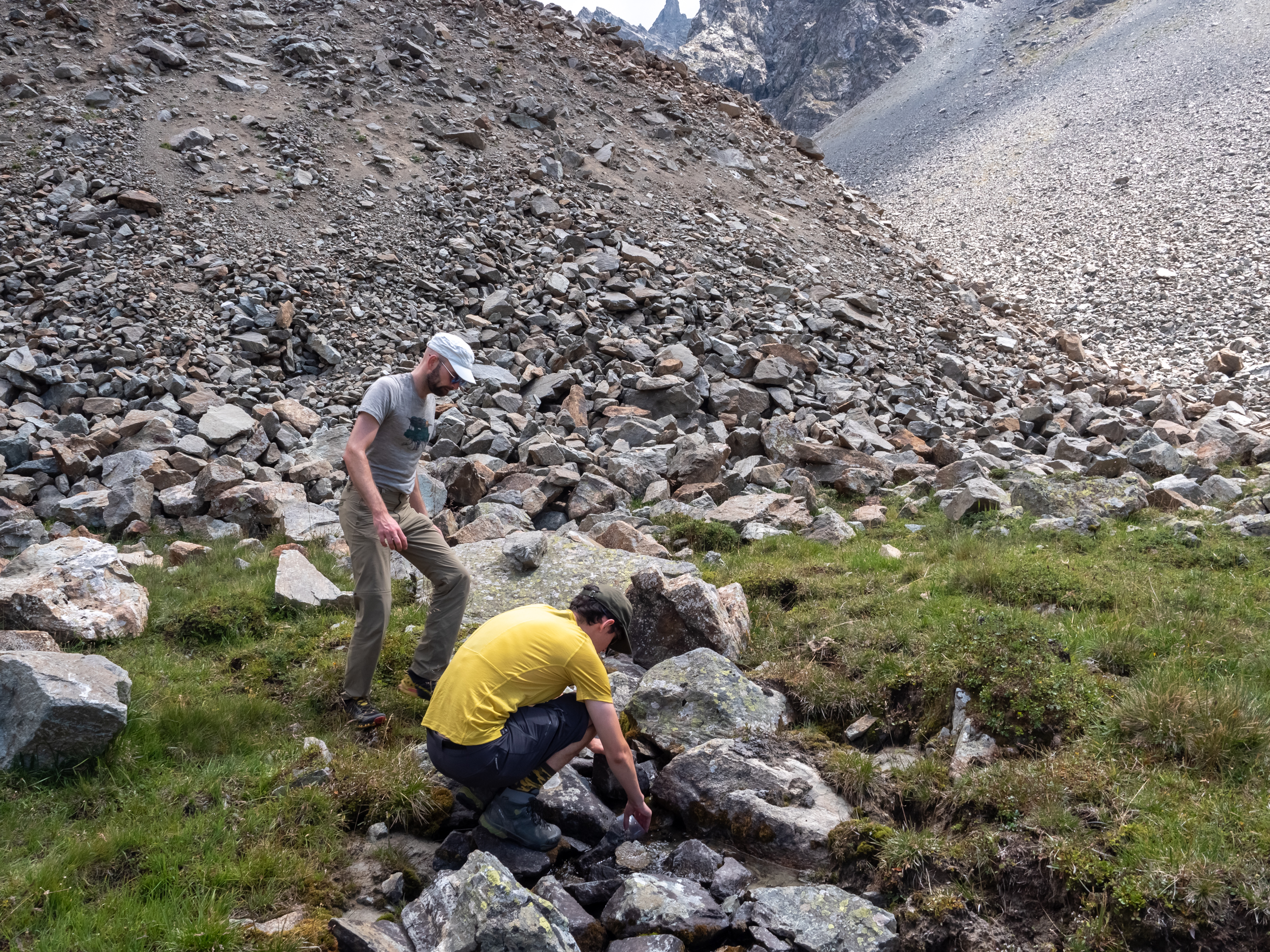
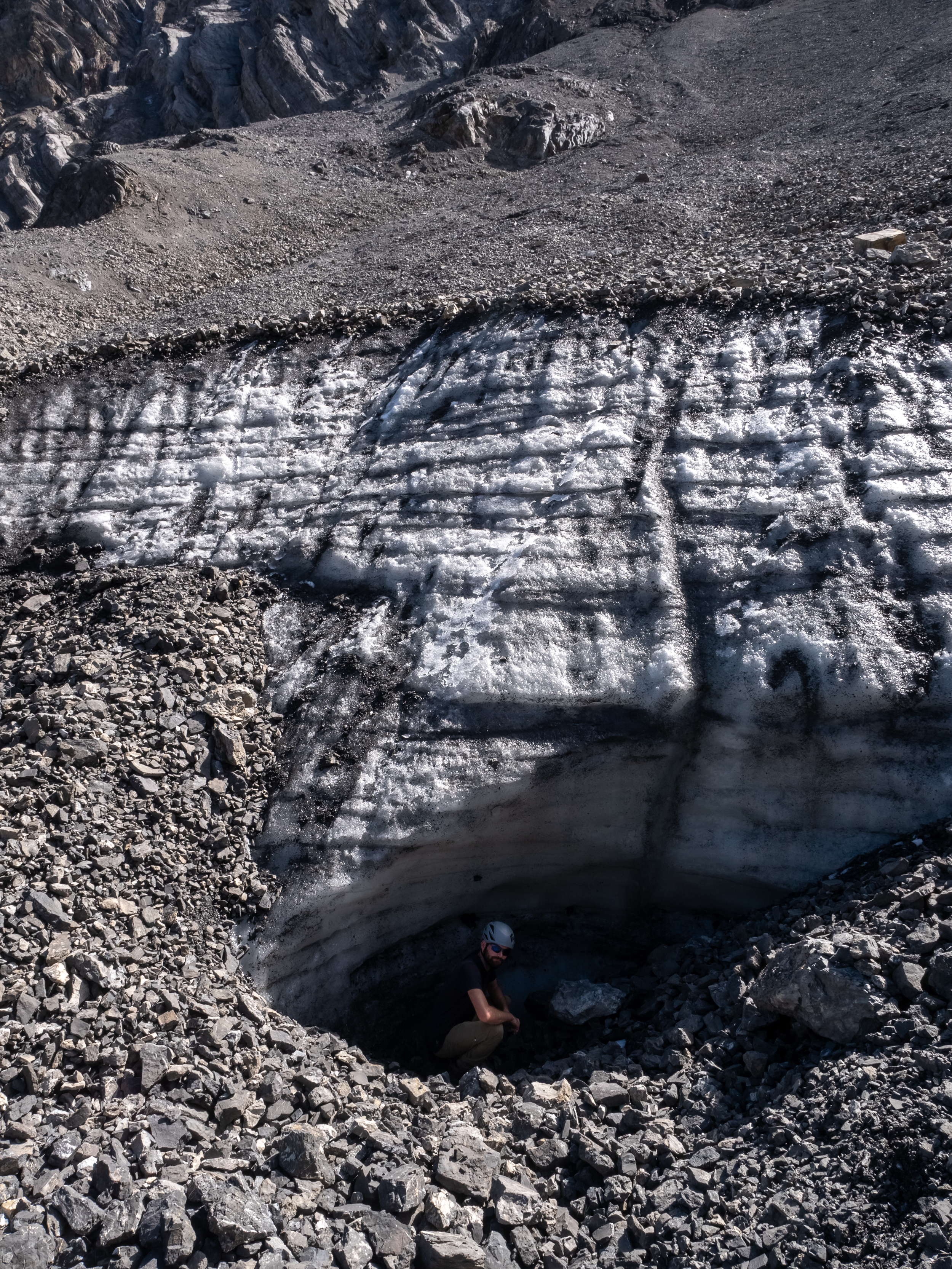
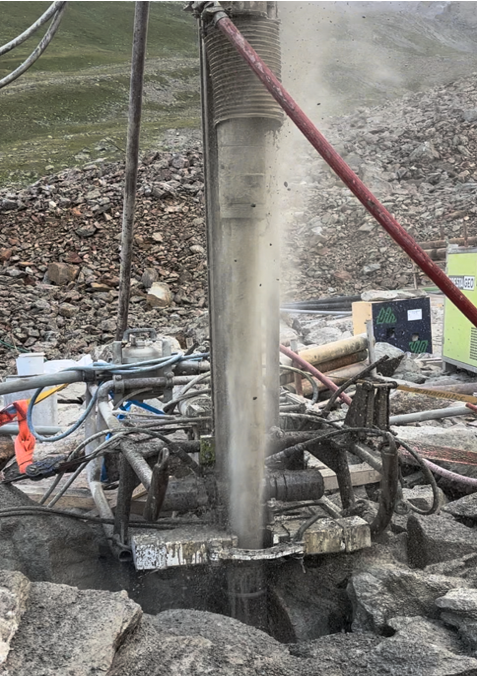
Rapid thaw: We have demonstrated in collaboration with practitioners how rapidly ice melts in permafrost regions, e.g. by liquid water shooting out of a borehole or by finding permafrost thaw slumps , which is a novel phenomenon in the Alps. Age estimates of permafrost materials (block glaciers) revealed carbon ages of 20’000 years, implying that this material is a remnant of the last glaciation.
Earlier plant growth: Based on the extensive network of snow climate stations of the SLF, we were able to quantify the changes in snow cover and related plant growth.
Soil carbon map: Quantification of the carbon stocks in the alpine zone of Switzerland was so far mostly missing although required by the United Nations and the Paris Agreement. Supporting BAFU, we filled this knowledge gap [see map and link to paper ]. To illustrate the distribution of soil carbon in the alpine zone, we produced an interactive map showing an indication for carbon stock s in the ground, similar to the existing permafrost and ground ice indication map of the SLF.
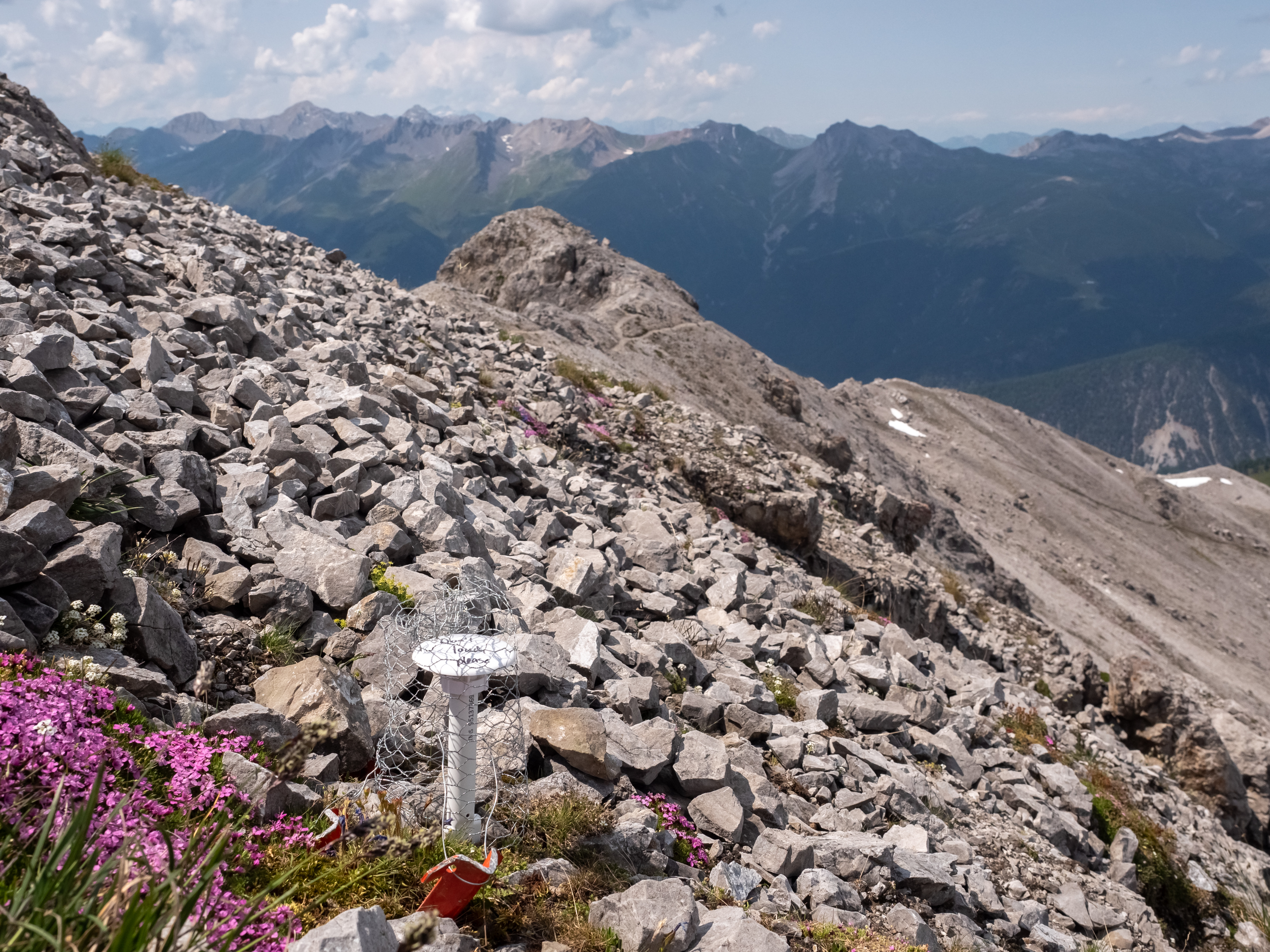
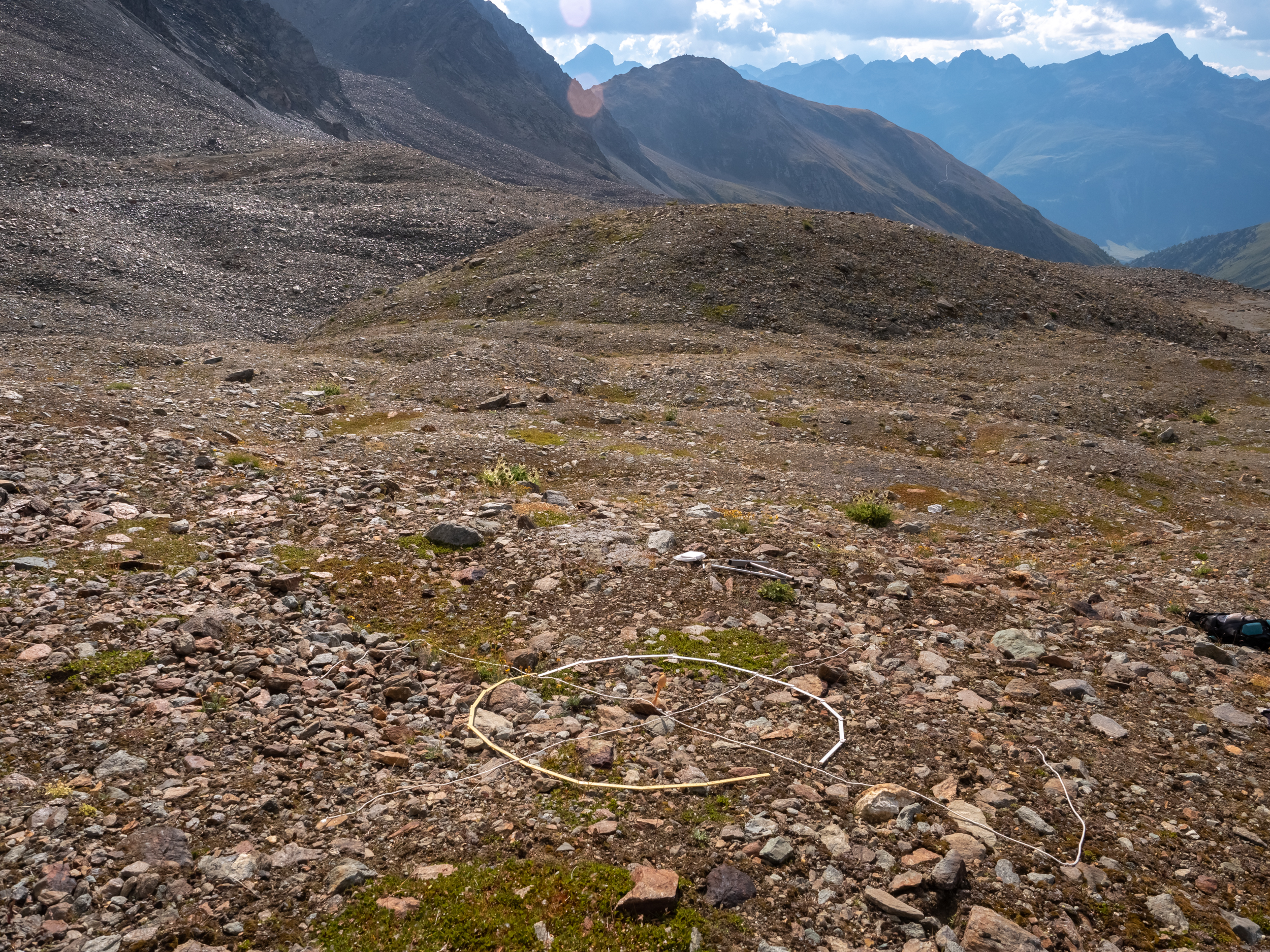
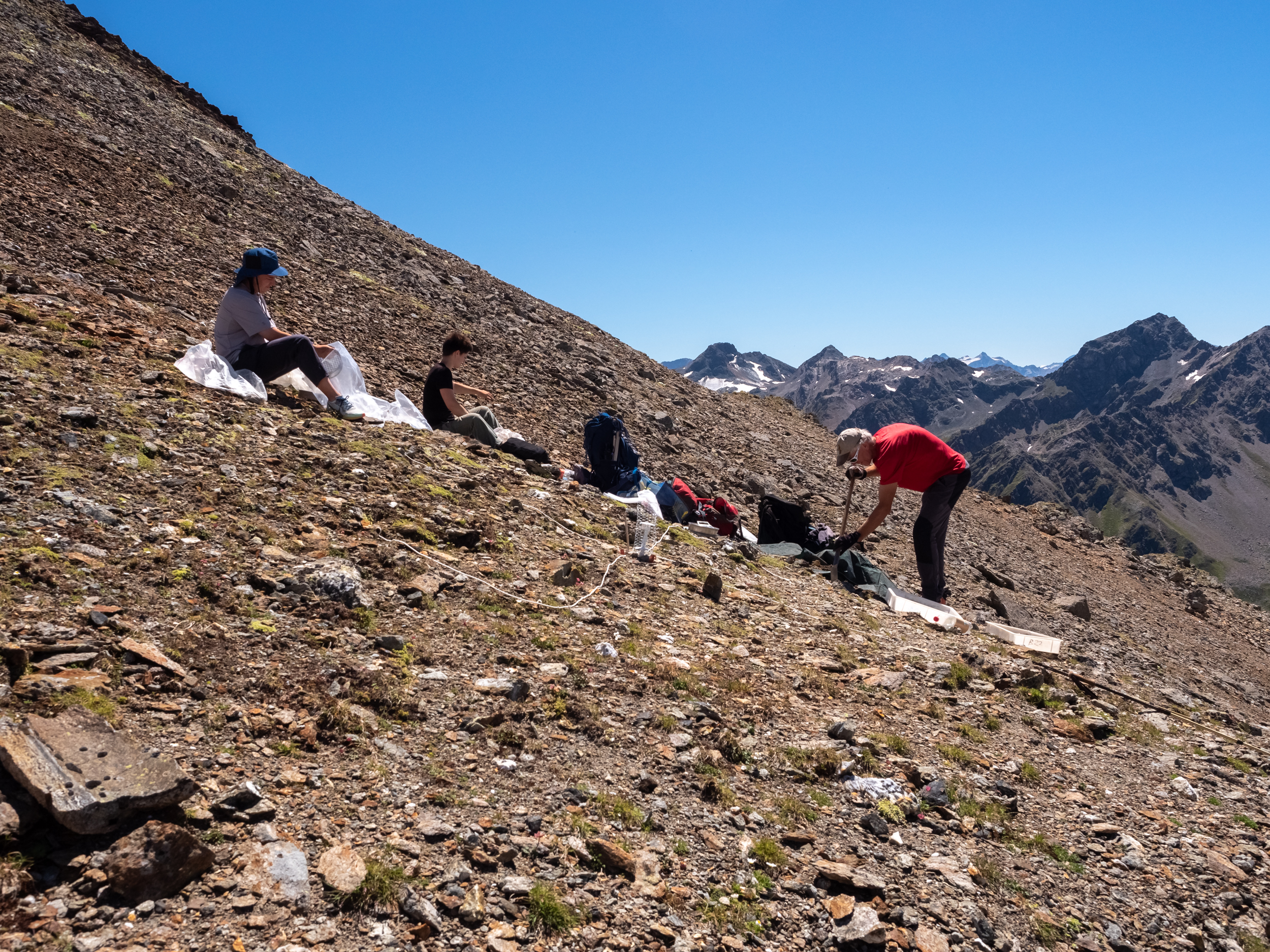
Very old carbon on Alpine peaks: Discovering of ‘hidden’ soils on vegetation-free scree above 3000 m asl (photo from Flüela-Schwarzhorn). Age analysis showed that the soil carbon is around 8000 years old, indicating that vegetation and soils reached higher elevation than nowadays.
Soil biodiversity: We determined soil biodiversity at our research sites in accordance with the Biodiversity Strategy of Grisons (measure M27: Biodiversity in the soil).
Pollutant emissions: We found that melting rock glaciers can release heavy-metal concentrations above legal limits in specific areas with acidic bedrock, which is relevant for local water use.
Ongoing and future Projects 
Based on the evidence that plants are moving uphill and that the Alps are greening, we started the follow-up project: “From brown to green. Arealstatistik point that turned green in past 40 years” (C. Rixen, C. Ginzler and a Biodiversity consortium of WSL).
The analysis of soil biodiversity continues in a project with the canton of Grisons: Biodiversitätsstrategie Graubünden Massnahme M27: Biodiversität im Boden - die guten Geister im Untergrund kennenlernen und ihnen Sorge tragen (B. Frey).
In a follow-up project related to pollutant emissions, we analyse mercury concentrations in alpine soils, which can accumulate in cold regions over long periods.
Proposal EU-Horizon 2020: Alpine Soil Health (F. Hagedorn)
Swiss Permafrost Monitoring Network
Alpex-Projekt (Greina Stiftung): Establishing a stream monitoring network to assess changes in biodiversity and carbon cycling, supporting measures to protect alpine landscapes. www.greina-stiftung.ch/aktivitaeten/projekt-alpex (F. Hagedorn).
Publications 
Follow-up projects 
Rixen, Ginzler and BD consortium: From brown to green. Arealstatistik point that turned green in past 40 years.
Frey, ANU: Biodiversitätsstrategie Graubünden Massnahme M27: Biodiversität im Boden - die guten Geister im Untergrund kennenlernen und ihnen Sorge tragen.
WSL Diagonal nr 2 ‘ Relikt aus wärmeren Tagen: Unter alpinem Geröll liegt Jahrtausende alter Erdboden’ .
Further outcomes: Soil carbon map for alpine zone in Switzerland. All plant surveys are stored in the Infoflora data base.
Further reading Climate change has minor impact on marmots for now.